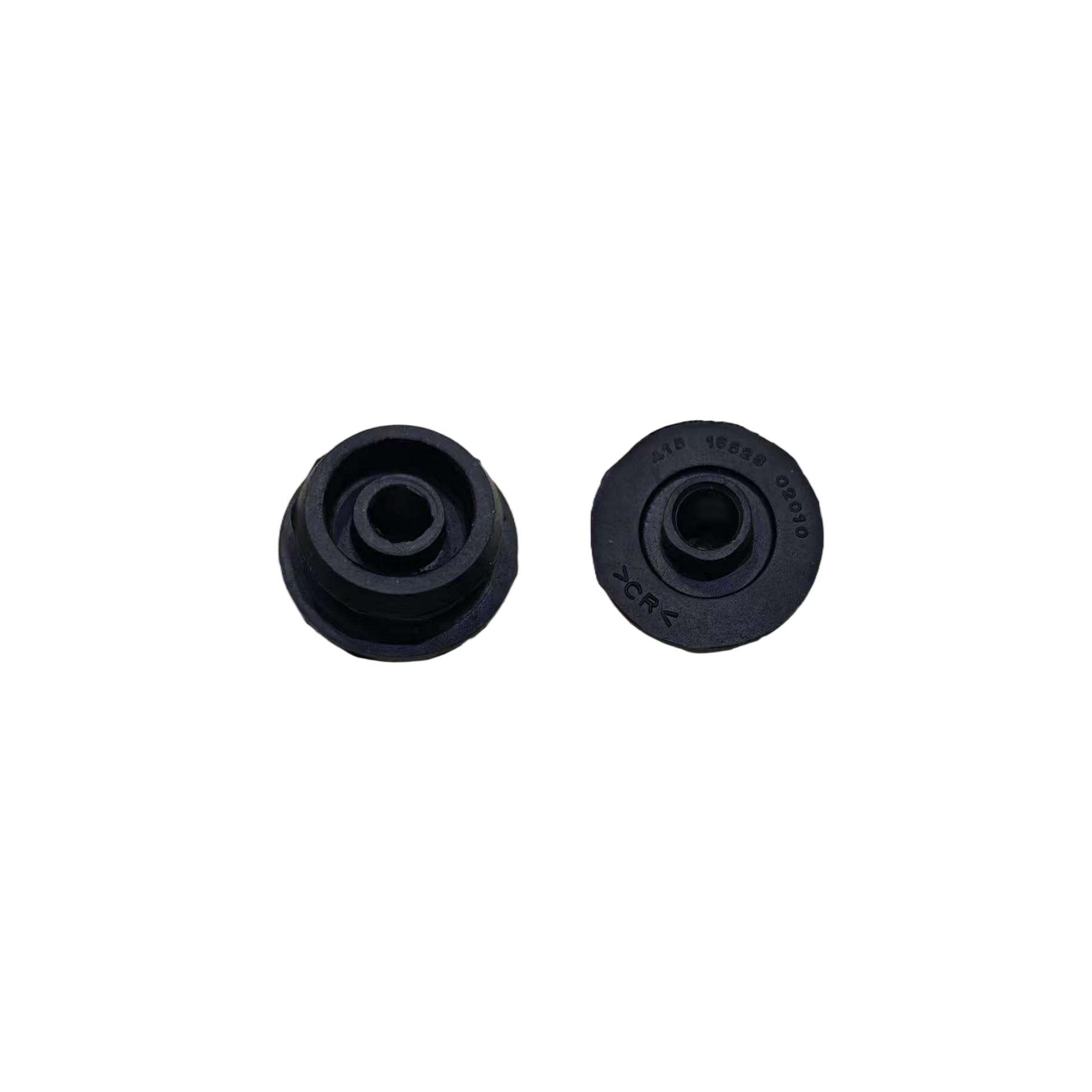
Rubber and plastic isolation pads serve as vibration-damping components in home appliances and general hardware assemblies. During injection molding, these soft elastomeric parts are prone to edge warping and irregular contour variation across batches. Traditional manual checks with calipers rely on physical contact. Squeezing pressure easily distorts the soft edge, giving readings that swing between operators and batches. This inconsistency creates uncertainty when validating whether parts will fit properly and deliver stable vibration isolation after assembly.
COBEKK deploys the QM90 from QM Series Flash Measuring Machine for this inspection task. The system captures full contour profiles on both plain surfaces and printed marking sides without touching the sample. It automatically identifies part geometry and generates structured measurement logs. For parts with severely warped edges, technicians can manually confirm the contour capture boundary to stabilize reading reliability. Measurement workflow footage can be shared as a demonstration reference.
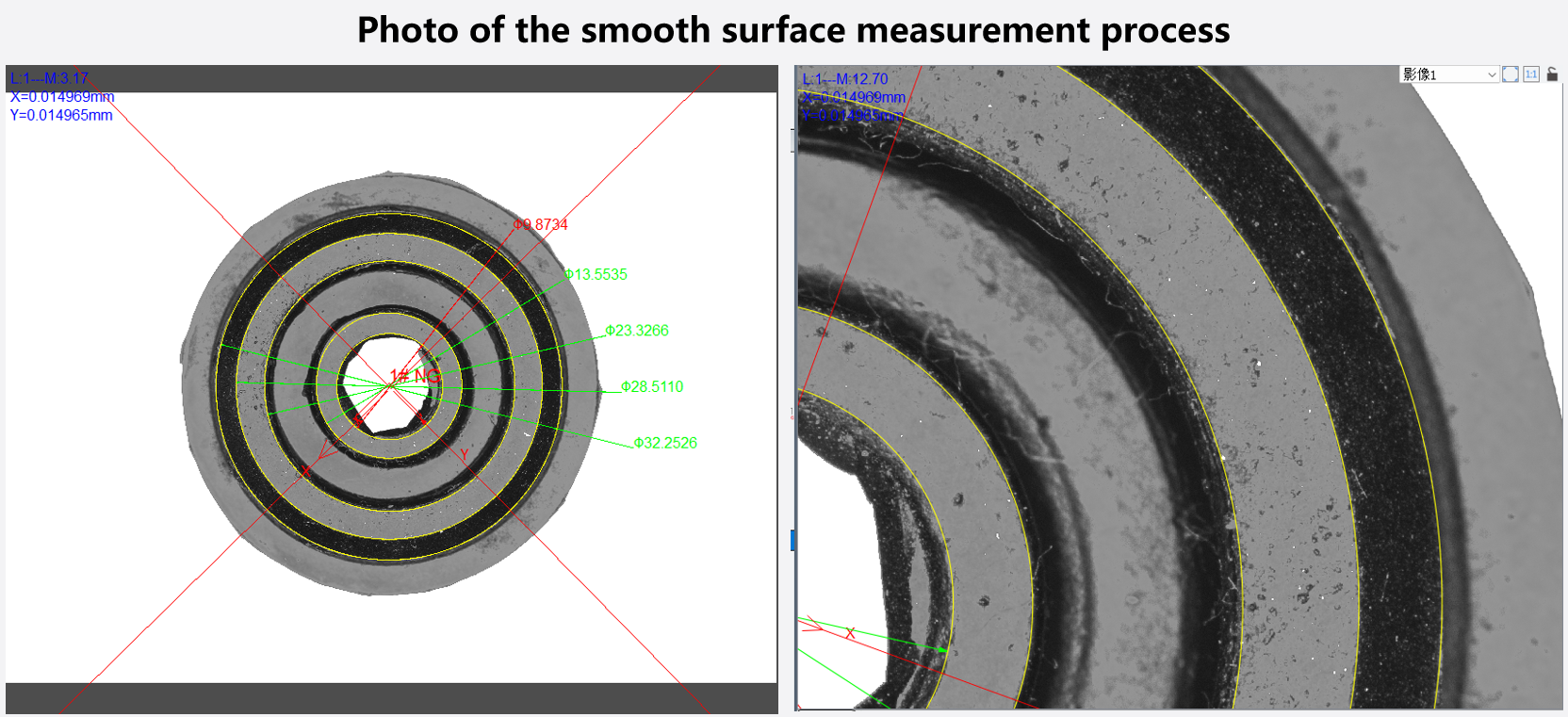
The process of surface measurement
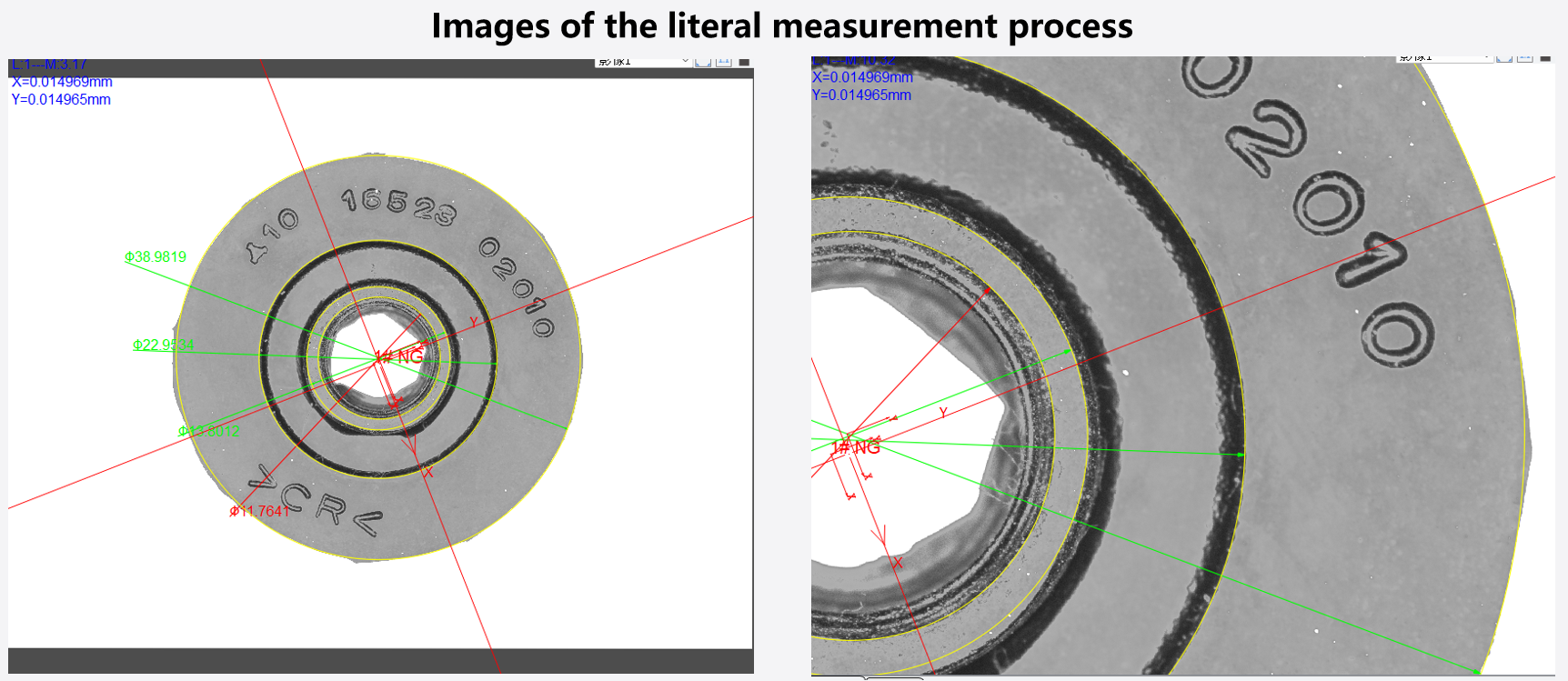
The surface with characters measurement process
Tests were completed with customer-provided pad samples. Imaging acquisition was completed for both sides of the isolation pad, and dimension datasets were exported for tolerance review.
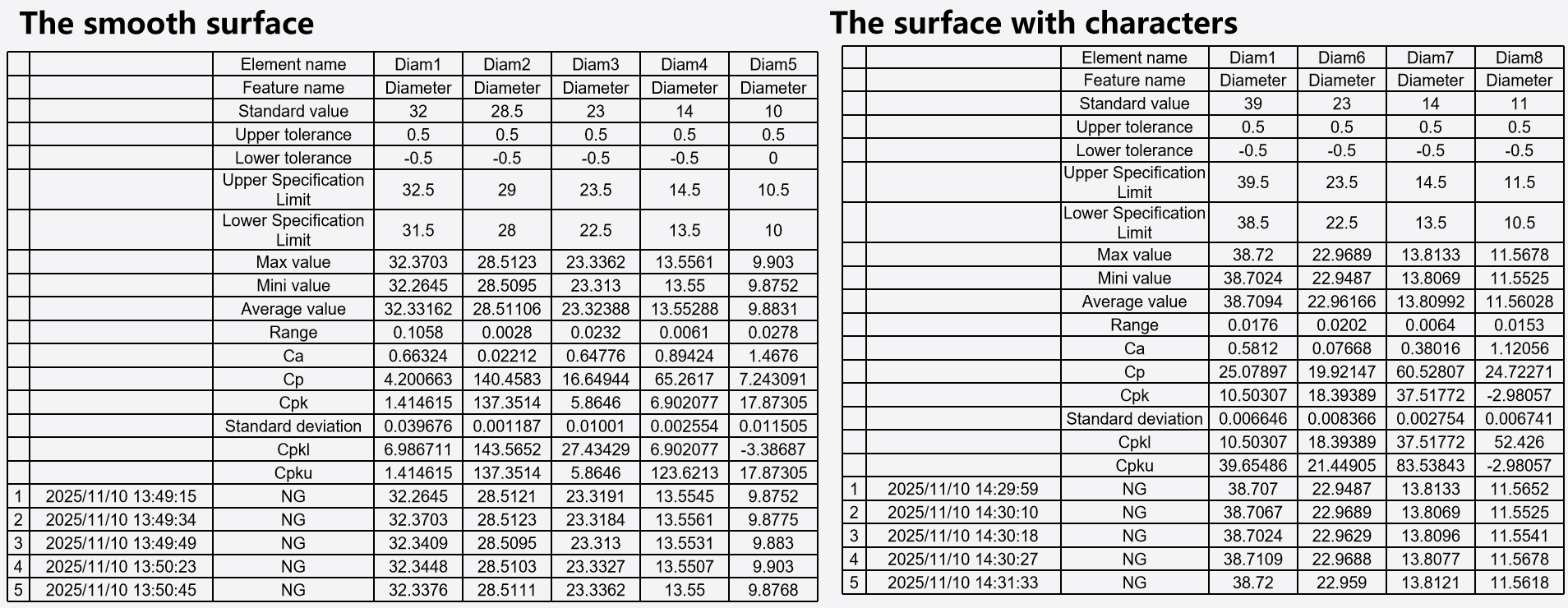
Trials confirm this setup meets drawing-based inspection requirements. For heavily deformed samples, manual verification of contour capture boundaries remains a necessary operational step.
For batch dimensional validation of rubber isolation pads, we recommend the QM90 Flash Measuring Machine from the QM series. Operators should validate contour detection boundaries on heavily warped samples. The platform is well suited for routine QC on vibration damping plastic and rubber components.
Home appliance component manufacturing, general hardware assembly, rubber & elastomer molding, vibration isolation part production